
FDA ASCA Program: What Manufacturers Need to Know About Accredited Testing Laboratories
How the FDA ASCA program works, why the accreditation body matters, and what to check before relying on an ASCA test report.

How the FDA ASCA program works, why the accreditation body matters, and what to check before relying on an ASCA test report.

Step-by-step overview of the PSE process for Specified (diamond PSE) and Non-Specified (round PSE) electrical products in Japan, including technical files and marking rules.

What a Free Sale Certificate is, why export markets ask for it, how to apply in the EU and what to expect regarding validity and translations.

How the FDA regulates over-the-counter drugs, which documents are typically needed, and how the OTC monograph route differs from an NDA.
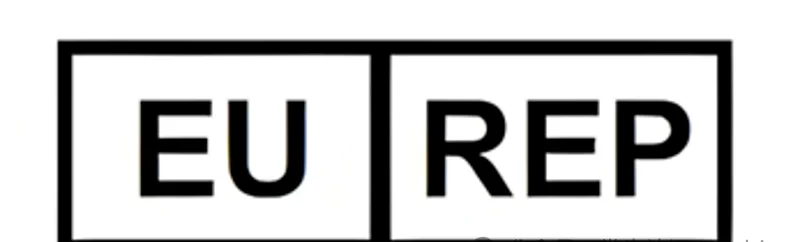
Why non-EU manufacturers need an EU authorised representative under the MDR, which tasks the AR performs, and five criteria for choosing the right partner.

Which MDR Annex VIII rules lead to Class I, typical examples, and how the conformity assessment differs for Class I, Is, Im and Ir devices.

The three groups of Class A products under IVDR Rule 5, practical examples, and how classification works for analysers, reagents and accessories used together.
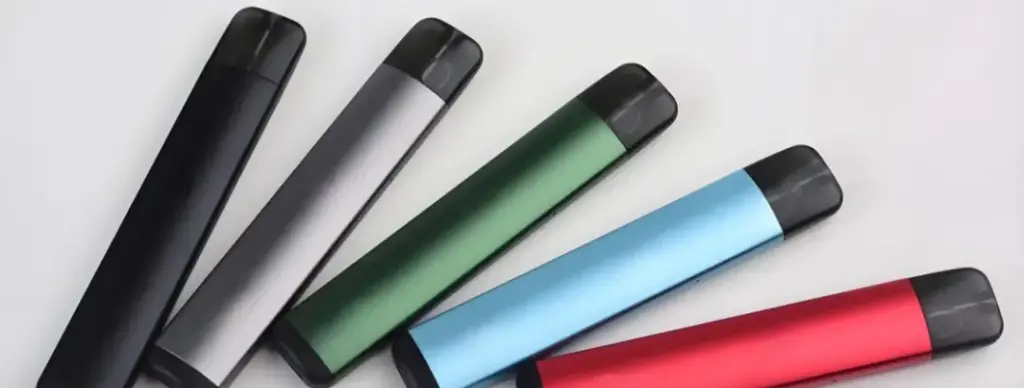
How small and medium-sized e-cigarette manufacturers can use the proposed TPMP grace period, the exemption mechanism and smart cost planning to prepare for the US market.
Why a PMTA and the proposed TPMP rule serve different purposes but depend on each other, and how manufacturers can align both from the start.
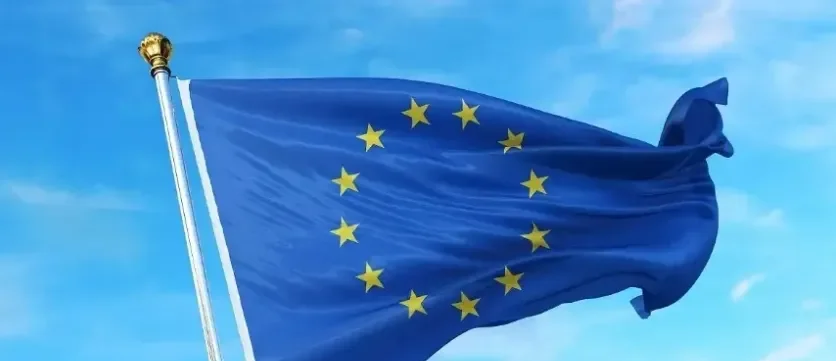
ISO 15223-1:2021/Amd 1:2025 adds a definition of “authorised representative” and replaces the EU-specific EC REP symbol with a country-neutral version. What changes on labels.