
In the medical device sector, a seemingly ordinary document – the Free Sale Certificate (FSC) – often decides how quickly a product can enter new markets. Whether in Southeast Asia, the Middle East or Latin America, authorities frequently ask for it as official proof that a device is legally marketed in its country of origin. This article explains what an FSC is, why it is needed and how to obtain it.

What is a Free Sale Certificate?
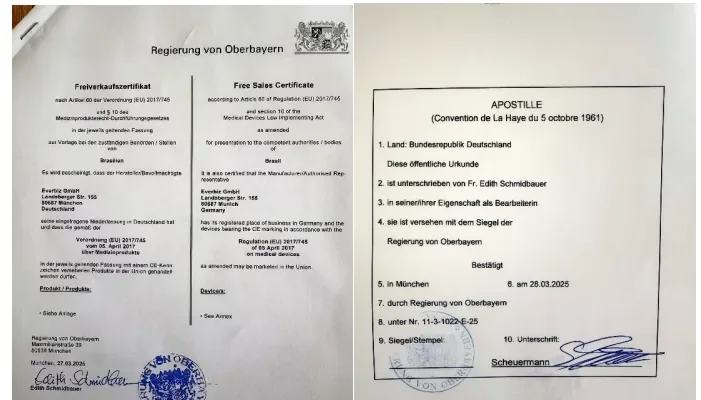
A Free Sale Certificate is an official document issued by the competent authority of an EU Member State (or a body authorised by it) confirming that a device is lawfully placed on the market in that country and complies with the EU Medical Device Regulation (MDR). Under Article 60 MDR, Member States issue such certificates for export purposes; the validity may not exceed five years and may not exceed the validity of the related notified body certificate.
Its value lies in three areas:
- Market access: many non-EU countries (for example in Southeast Asia, the Middle East and South America) accept or require an FSC as proof of compliance, which can speed up registration.
- Official confirmation: because it is issued by a public authority, it strengthens the confidence of customers and regulators.
- Trade facilitation: importers and tender authorities often list the FSC as a mandatory document.
Why do manufacturers need an FSC?
- To overcome market barriers: registration authorities in many emerging markets require an FSC from the country of origin before accepting an application.
- To reduce compliance risk: the FSC documents that the device meets the requirements of the exporting country, avoiding delays and rejected shipments.
- To build trust: an officially issued FSC supports the credibility of the product and the manufacturer.
How to obtain an FSC in four steps
- Prepare documents: CE certificate where applicable, quality management certificate (e.g. ISO 13485), EU declaration of conformity and key information on the device and the manufacturer/authorised representative.
- Submit the application to the competent authority of the Member State where the manufacturer or its authorised representative has its registered place of business.
- Review and issue: the authority checks the documents and issues the FSC, usually as an official letter or certificate.
- Keep it current: monitor the validity and apply for a new certificate when the underlying certificates or product details change.
Frequently asked questions
How long is an FSC valid? Under the MDR at most five years, and never longer than the validity of the related notified body certificate. National practice may be shorter.
Does the FSC need to be translated or legalised? Many destination countries require a certified translation and legalisation, for example an apostille or embassy legalisation.
How does the FSC relate to the CE certificate? The CE certificate confirms conformity with EU requirements; the FSC confirms that the device is legally marketed in the issuing Member State. Some countries ask for both.
EVERBIZ project examples
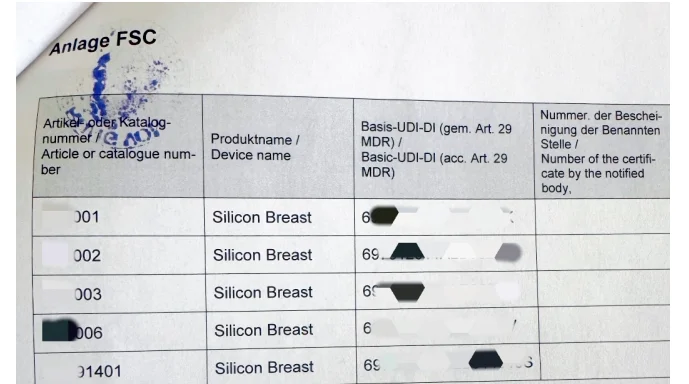
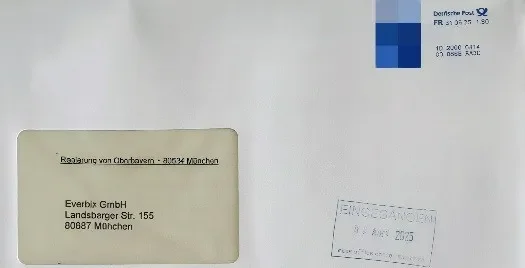
EVERBIZ, as an EU authorised representative based in Munich, has helped many manufacturers obtain FSCs from the German authorities. After the competent authority issues the certificate, we forward the original documents securely to the client’s address and, where required, arrange legalisation.
How EVERBIZ can help
From document review to communication with the authority and legalisation, EVERBIZ handles the complete FSC application for manufacturers that use EVERBIZ GmbH as their EU authorised representative. Contact us for details.
This article is for general information only and does not constitute legal advice.