
In Part 1 we explained the basics of NRTL. This article covers the key compliance points.
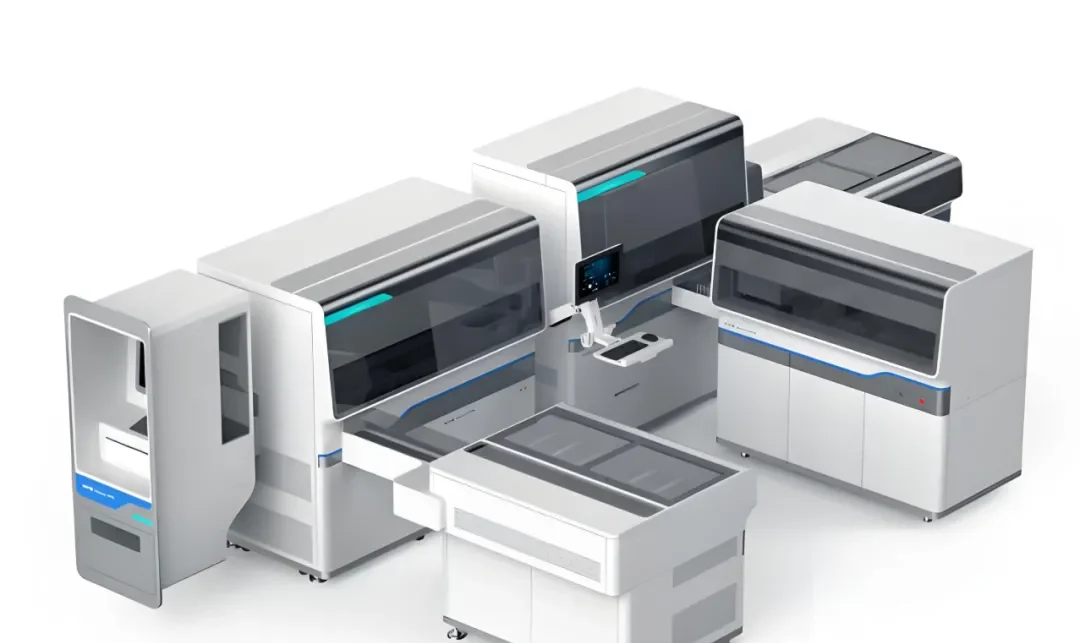
When exporting IVD instruments to the US, many companies focus only on FDA and assume that a 510(k) clearance or PMA approval is all they need. Yet another essential certification is often overlooked: certification by a Nationally Recognized Testing Laboratory (NRTL).
Why NRTL certification matters
The NRTL programme is run by the US Occupational Safety and Health Administration (OSHA), which recognises third-party laboratories to test and certify product safety. It mainly concerns electrical and electronic equipment used in the workplace and ensures that such equipment meets the relevant safety standards, reducing hazards for operators and users. Many IVD instruments contain electrical parts such as power supply modules, data interfaces and electronic control panels, and must therefore meet NRTL requirements.
Why NRTL certification is easily overlooked
- Focus on FDA: as IVD instruments are medical devices, companies concentrate on FDA and assume that 510(k) or PMA is enough, overlooking the strict electrical safety requirements at the place of use (hospitals, laboratories).
- Unfamiliarity with OSHA rules: manufacturers outside the US often know little about OSHA requirements and believe FDA clearance is sufficient.
- The UL misconception: many companies equate UL certification with NRTL certification. In fact UL is just one of many NRTLs; others such as Intertek (ETL), CSA and TÜV SÜD have equivalent recognition.
Case study: shipment delayed by missing NRTL certification
An IVD manufacturer quickly arranged exports after receiving FDA clearance. When the instruments arrived at the US customer, they could not be put into service in the laboratory because NRTL certification was missing. The company paid high fees for expedited certification, the project was delayed and customer trust suffered. Cases like this are not unusual in the IVD industry.
NRTL certification process and key points
- Design phase: consider FDA and NRTL requirements together from the start, especially for electrical design and material selection, and confirm early that standards such as UL 61010-1 are met.
- Choosing a laboratory: select a suitable NRTL – e.g. UL, Intertek (ETL) or CSA – based on product characteristics and market needs, weighing lead time, service and market acceptance.
- Factory inspection: NRTL certification requires not only passing product tests but also factory inspections for production consistency. Before series production, confirm that manufacturing matches the certified sample to avoid non-conforming production.
How to avoid NRTL pitfalls
- Plan early: include NRTL certification in the project plan during development rather than fixing it at the last minute.
- Get expert guidance: make sure the design meets electrical safety standards so that design flaws do not cause certification failures.
- Pre-check the factory: carry out a self-assessment so that the production line meets the laboratory’s requirements before the inspection.
How EVERBIZ can help
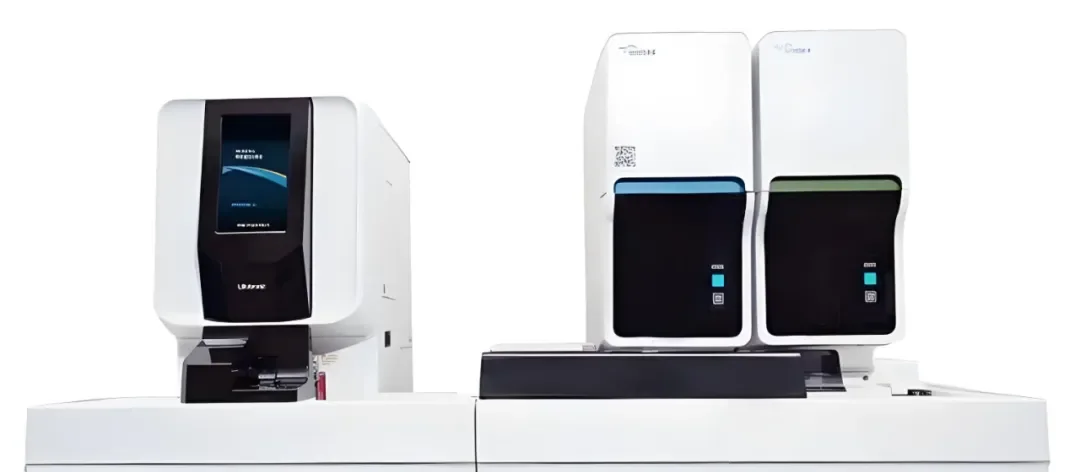
EVERBIZ supports IVD manufacturers throughout NRTL certification – regulatory consulting, test coordination, factory inspection preparation and acceleration services – helping you avoid risks from the early design phase and obtain certification without delaying market access. Contact us.
This article is for general information only and does not constitute legal advice.