

Background, purpose and scope of TPMP
In March 2023 the U.S. Food and Drug Administration (FDA) proposed a rule on Tobacco Product Manufacturing Practice (TPMP). TPMP is essentially good manufacturing practice for tobacco products – the tobacco industry’s equivalent of GMP.
Its purpose is to ensure that the design, development, manufacturing, packaging and storage of tobacco products, including e-cigarettes, meet defined quality requirements, in order to protect public health and ensure compliance with Chapter IX of the Federal Food, Drug, and Cosmetic Act.
TPMP requires manufacturers to control product design and specifications, ensure products are made to those specifications, prevent non-conforming or contaminated products, and establish traceability so that problems can be corrected or recalled. In short, TPMP creates an “umbrella” framework covering the manufacture of all finished and bulk tobacco products, reducing additional risks and preventing adulteration or misbranding.
The proposed rule applies to manufacturers of all types of finished and bulk tobacco products. By definition, a tobacco product manufacturer is any entity that manufactures, fabricates, assembles, processes or labels a tobacco product – including manufacturers of electronic nicotine delivery systems (ENDS) such as e-cigarette devices and e-liquids. Since the FDA’s 2016 “Deeming Rule”, e-cigarettes and e-liquids are regulated as tobacco products, so device, cartridge and e-liquid manufacturers all fall within the scope of TPMP. Once TPMP takes effect, products made without complying with it risk being considered adulterated.
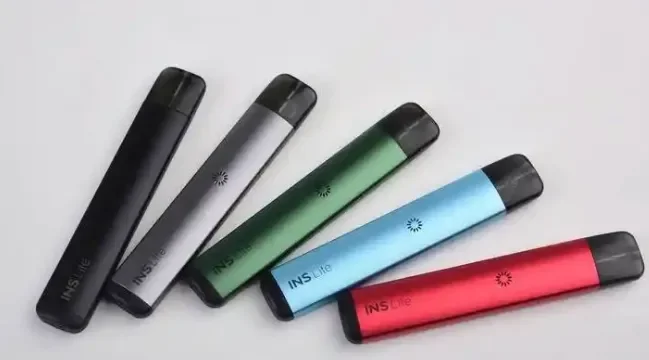
What TPMP means for e-cigarette companies
TPMP will require major adjustments to production and quality management. Many large manufacturers already have internal quality rules, but TPMP will make these requirements legally binding and standardised – including for small and medium-sized companies – and will require documented, systematic management. This covers design verification, specifications for raw materials and finished products, in-process quality control, tracking and recall procedures for non-conforming products, cleanliness and contamination prevention in production areas, and complete batch and ingredient traceability records.
If an e-cigarette product causes quality or safety problems on the US market, the FDA will review whether the company followed TPMP and may investigate and take enforcement action. Small and medium-sized companies should therefore build a TPMP-compliant quality system step by step to avoid being excluded from the market once the rule applies.

Key requirements of the proposed rule
- Management system requirements: organisation and personnel training, complaint handling, and corrective and preventive action (CAPA). Companies should appoint a person responsible for TPMP compliance and ensure staff have the necessary training and experience.
- Buildings, facilities and equipment: clean and orderly production environments; equipment suitable for tobacco products, regularly maintained and calibrated, and designed to prevent cross-contamination. For example, e-liquids should be produced in a clean environment with equipment materials that do not affect liquid purity.
- Design and development controls: risk assessment and verification before the design is finalised – for e-cigarettes, for example battery safety and leak prevention – and records of design changes.
- Process controls: standard operating procedures and quality control points to ensure each batch meets specifications, including control of raw materials, formulations and process parameters, in-process testing, and segregation of non-conforming products.
- Packaging and labelling controls: packaging processes that avoid contamination or mix-ups, and accurate labels. US law requires the nicotine warning “WARNING: This product contains nicotine. Nicotine is an addictive chemical.” in the prescribed format and size.
- Handling, storage and distribution: defined storage and transport conditions to prevent deterioration or contamination; e-liquids stored at suitable temperatures, finished products protected against leaks and damage, and traceable goods in and out.
- Recordkeeping and document controls: all production and quality records – raw material batches, production lot numbers, test results, training records, equipment maintenance and investigations of non-conforming products – kept long enough for FDA inspection and easy to retrieve. Good document control is the basis of compliance: complete records show whether the company met its quality obligations.
Documentation, registration and inspections
The FDA states that TPMP documentation is necessary to ensure products are manufactured to the specifications committed to in applications such as a PMTA. All relevant documents should be in English or accompanied by an English translation, and version control should ensure that only current procedures are used while previous versions are archived.
TPMP itself is not an application that must be approved before production, but it interacts with existing registration and inspection mechanisms. Under Section 905 of the Tobacco Control Act, establishments manufacturing or processing tobacco products in the US must register with the FDA and submit product lists; foreign manufacturers usually provide information via their importers. After TPMP takes effect, the FDA may ask manufacturers to confirm TPMP compliance as part of registration.
The most important oversight tool will be FDA facility inspections. Under Sections 704 and 905(g) of the FD&C Act, the FDA may inspect tobacco product manufacturing establishments and has already carried out hundreds of inspections, including foreign inspections of manufacturers of deemed products such as e-liquids. Once TPMP applies, inspections will focus on TPMP compliance, for example training records, cleaning records and incoming material testing. Non-compliance may lead to warning letters and, in serious cases, import refusals or orders to stop production.
Timeline
As of 2025, TPMP is still a proposed rule and the FDA is reviewing public comments. The final rule is expected to take effect two years after publication. For small tobacco product manufacturers, the FDA proposed an additional four years after the effective date. Large companies would therefore have to comply when the rule takes effect, while qualifying small manufacturers would have four more years. Companies should follow how the final rule defines “small manufacturer” and plan backwards from their deadline – for example, completing key staff training and the document system before the effective date and upgrading facilities and validations during the grace period.
How EVERBIZ can help
EVERBIZ supports e-cigarette manufacturers with TPMP gap analyses, quality system documentation, training and PMTA preparation. Contact us for details.
This article is for general information only and does not constitute legal advice. As of publication, TPMP was still a proposed rule; the final FDA rule is authoritative.