
EVERBIZ News Center: company news, global medical device regulatory updates, and registration and compliance insights.

How to Avoid Conflict Minerals Risk: A Complete Guide to the CMRT | EVERBIZ Compliance Class
In recent years, whether you make electronics, medical devices, machinery, metal parts or consumer goods, your downstream customers (especially in Europe and the US) have almost certainly asked you for one document: CMRT — Conflict Minerals Reporting Template Why is this document so important? Who created it? What are the risks of filling it in…
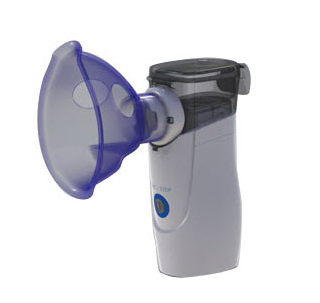
Why Is Amazon Full of “Home Nebulizers”? The Truth Hidden Between FDA Regulations and Amazon Policy
Among cross-border sellers, one product category has been booming over the past two years – the nebulizer. Type “nebulizer” into Amazon and you are flooded with: “Home nebulizers for adults and children” “Portable nebulizers” “Home respiratory care devices” “Silent nebulization, USB charging, breathe easy” It looks just like an ordinary small household appliance. But the…
The CE-MID Directive Explained: Don’t Mistake Laboratory Instruments for Legal Metrology Equipment
When exporting to the EU market, many instrument manufacturers ask: “My instrument/meter needs CE marking for export to the EU – does it also have to comply with the MID (Measuring Instruments Directive)?” In fact, EU CE-MID certification applies only to specific categories of “legal metrology instruments”. If a company gets the scope wrong, it…

[EVERBIZ EU Regulations Column] Which Products Fall Under the EU GPSR? Why Do Some Consumer Products Need CE Marking and Others Don’t?
1. Why do some products need CE marking and others don’t? Many clients ask us: “They are all consumer products – so why does an electric kettle need the CE mark, while a PVC storage bag or a silicone spoon does not?” This is not anyone’s oversight; it is because: The EU product safety legal…
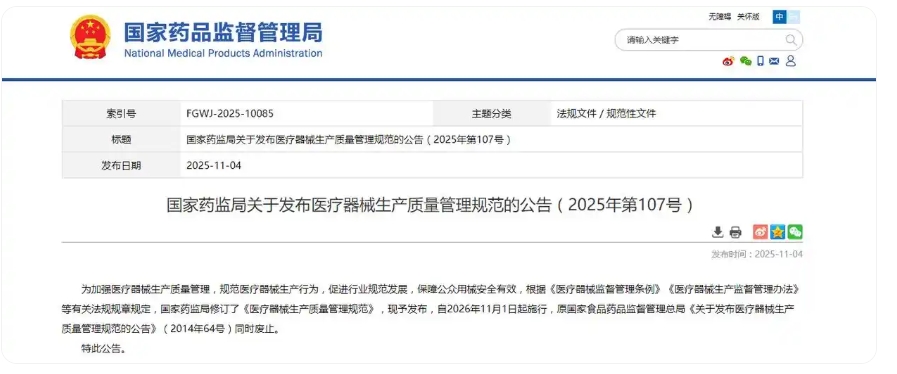
Key Changes in China’s New Medical Device GMP: Effective 2026 – A Must-See Comparison Table
On 4 November 2025 the National Medical Products Administration (NMPA) issued the new Good Manufacturing Practice for Medical Devices (the “GMP”), which takes effect on 1 November 2026. As a “systematic upgrade” of the 2014 GMP, the new version adds chapters, quantifies standards and clarifies responsibilities to fully address the needs of whole-life-cycle management of…

Japan PSE Certification Explained: Application Steps, Testing Requirements and Marking Rules
Step-by-step overview of the PSE process for Specified (diamond PSE) and Non-Specified (round PSE) electrical products in Japan, including technical files and marking rules.

Getting Started with Japan PSE Certification | History and Product Categories Explained
Introduction: Want your products to enter the Japanese market smoothly? Then you need to know one key term – PSE certification. It is not just a small mark but a reflection of the Japanese government’s strict electrical safety requirements. Today we give you an easy introduction to the history of PSE – and what the…
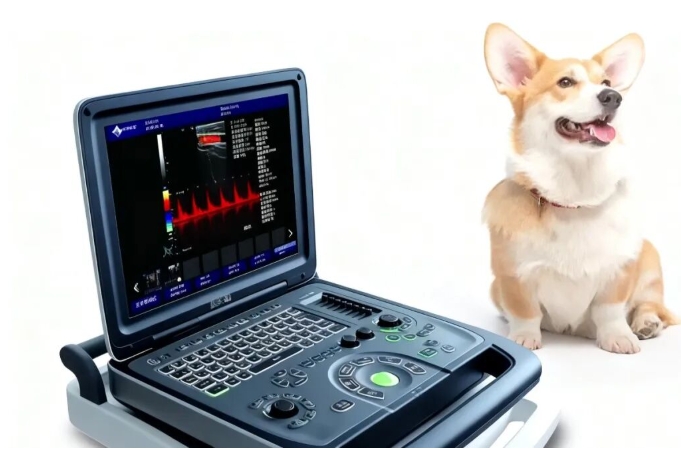
Exporting Veterinary Medical Equipment to the US: Compliance Requirements Explained!
In recent years, with the rapid growth of the pet health industry, “veterinary medical devices” such as pet therapy devices, monitors and physiotherapy lamps have begun to enter international markets. But to enter the U.S. market successfully, these products need more than innovative technology – they must also meet a number of compliance requirements. Today…

The EU AI Act and Its Application Under the MDR
At EU level, medical devices (including AI medical devices) are mainly regulated by the MDR. The MDR aims to ensure a high level of health and safety for medical devices while also supporting innovation. Manufacturers should first assess whether their software meets the criteria for qualification as a medical device under these rules. If the…

Key Compliance Points for Biosafety Cabinets Under GB 41918-2022
The new national standard GB 41918-2022 “Biosafety Cabinets” replaces YY 0569-2011 “Class II Biosafety Cabinets” and regulates biosafety cabinets as “medical-related equipment”. The standard was published on 12 October 2022 and took effect on 1 November 2025. GB 41918-2022 is a national standard jointly issued by the State Administration for Market Regulation (SAMR) and the…

NMPA Registration: Sample Third-Party Warehousing and Transport Documents for Medical Device Distributors
When third-party warehousing and transport companies apply for the first time, they often face the dilemma of having no real customers, yet their quality system cannot operate without customer and product information. This is where sample documents play an important role: they are a key tool supporting internal management, compliance verification and risk control. The…
The Core of CE Certification: Conformity Assessment Modules Explained
CE conformity assessment modules are the core operational framework of the CE marking system. Their key role is to define “through which procedure” a product demonstrates compliance with EU legislation, so that products of all risk levels can complete conformity assessment through a standardised route and be legally placed on the EU market. Under Decision…