
EVERBIZ News Center: company news, global medical device regulatory updates, and registration and compliance insights.
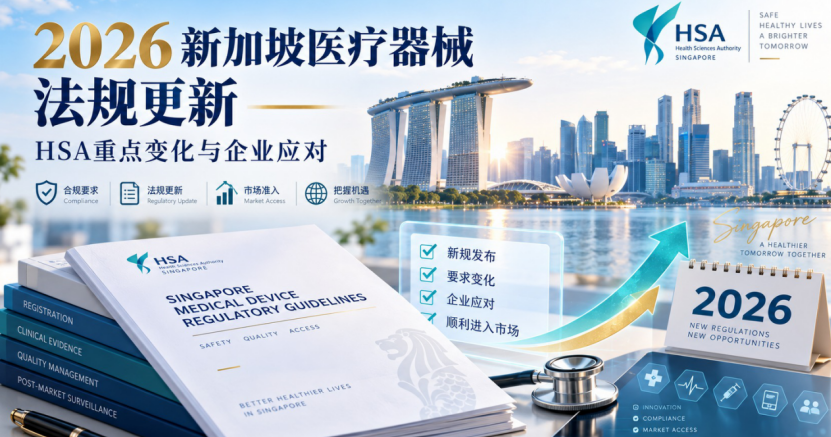
Singapore Medical Device Regulations Updated Again: Key HSA Changes in 2026 and How Companies Should Respond
Overview | In 2026, Singapore’s Health Sciences Authority (HSA) continued to update its guidance on medical device product registration, change notification, IVD grouping, dealer licensing and cybersecurity. For companies planning to enter Singapore or already holding SMDR registrations, the choice of registration route, document version control and post-market change management all need to be adjusted…

Vietnam Joins the Hague Apostille Convention on 11 September, Opening a Window to Faster Cross-Border Medical Device Registration
On 11 September 2026, the Convention Abolishing the Requirement of Legalisation for Foreign Public Documents (the “Hague Apostille Convention”) enters into force for Vietnam, making Vietnam the 129th contracting party. For Chinese companies pursuing medical device registration and market access in Vietnam, this is not just diplomatic news but a compliance speed-up that directly affects…

Major Update to the FDA Recognized Consensus Standards Database
On 19 February 2026, the US Food and Drug Administration (FDA) published in the Federal Register the latest revision of its list of FDA Recognized Consensus Standards, “Recognition List Number: 065” (List 065). The update took effect on publication, adding 31 standards and revising more than 75, an important adjustment to the standards used in…
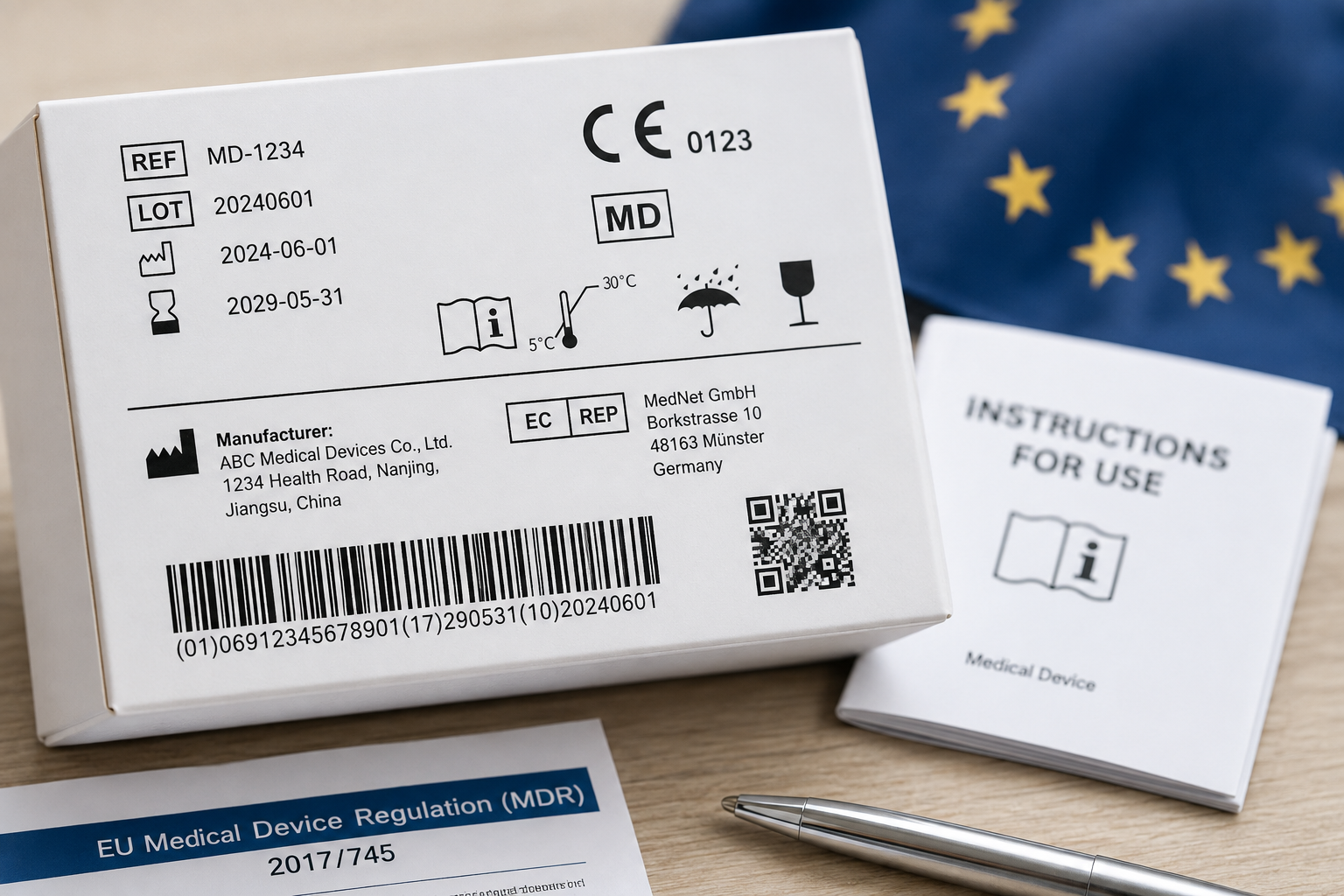
How Medical Device Exports to the EU Can Fail Because of the Carton
Part 2: IFUs, the Chain of Responsibility and a Self-Check List Part 1 covered the six most frequent gaps in the label itself, and one thing that is most often misunderstood – symbols are not decoration. MDR 23.1(h) requires internationally recognized symbols to be used where appropriate, in line with applicable harmonized standards or common…

Shanghai’s Third-Party Medical Device Warehouses: An Analysis of 58 Licensed Companies
As of 22 August 2026, the Shanghai medical products administration’s public database lists 58 companies whose medical device business licenses explicitly include third-party storage and distribution services. Of these, 46 cover refrigerated and frozen ranges, while 12 are limited to ambient temperature. These 58 companies are not ordinary traders of Class III medical devices; they…
TGA Follows the EU MDR Extension: Australia’s New Transition Timeline for Medical Devices
In the medical device industry, almost every extension of the EU MDR (Medical Device Regulation) transition period affects product lines that rely on EU certification to enter other markets. A recent notice from Australia’s TGA (Therapeutic Goods Administration) is a typical example of this knock-on effect – rather than designing its own transition timetable, it…

Global Regulatory Convergence Accelerates: An In-Depth Look at the IMDRF Regulatory Reliance Playbook
If your company is expanding into several overseas markets at once – say the EU, ASEAN and Latin America – you have probably experienced this: the same technical documentation often has to be reworked and resubmitted to meet each country’s requirements, with different review times and ever-growing communication costs. This “everyone for themselves” regulatory landscape…
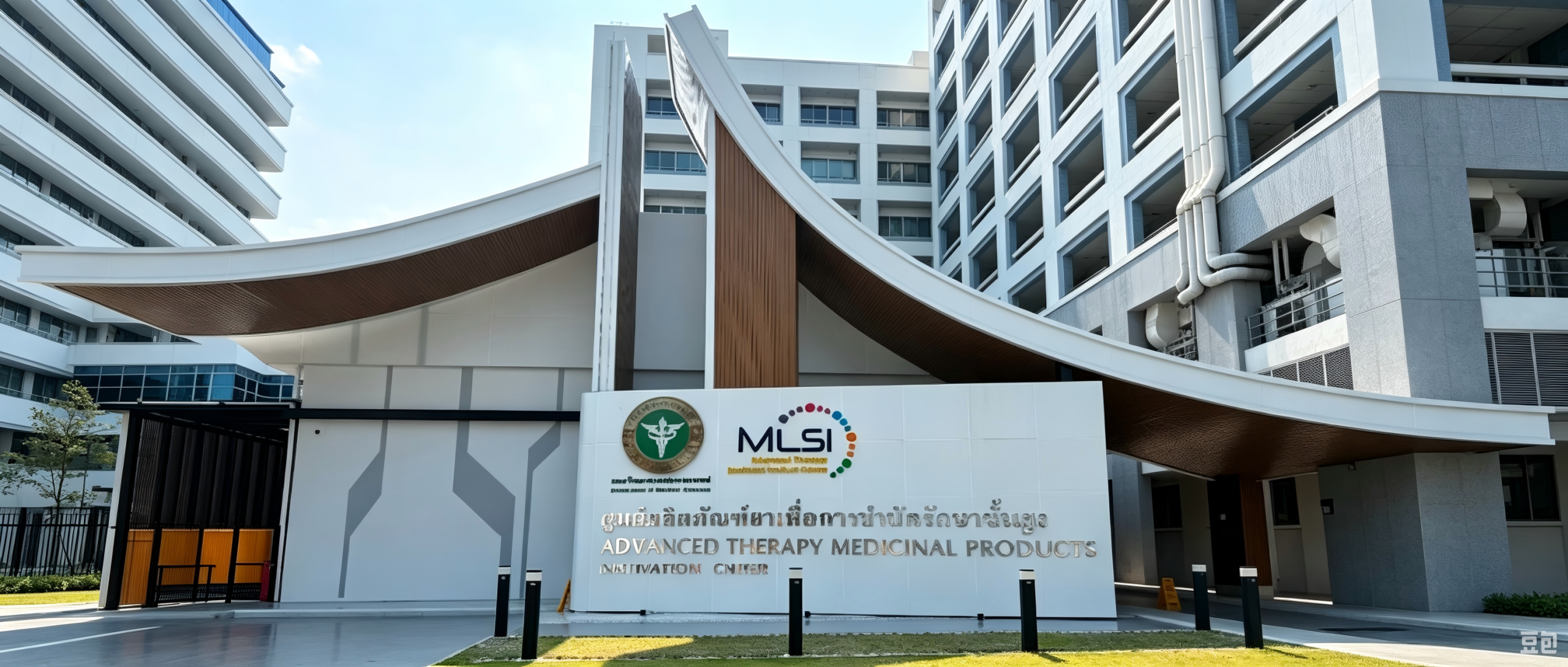
Condom Registration in Thailand: A Medical Device Category with Its Own Legislation
In most countries’ medical device classification systems, condoms are just one of many low-risk products. In Thailand, however, their status is special – they were the first product category in Thai medical device regulatory history to be covered by dedicated legislation, with a set of mandatory standards and testing requirements more detailed than those for…

Entering Southeast Asian Markets: How to Choose an ISO 13485 Certificate
In recent years, more and more Chinese medical device companies have made Southeast Asia a key region for overseas expansion. Singapore, Malaysia, Thailand, Indonesia, the Philippines and Vietnam are all continuing to improve their medical device regulatory systems. For companies planning to enter Southeast Asia, a frequently asked question is: “We already have an ISO…
Countdown to Indonesia’s New Halal Certification Rules: How Medical Device, Food and Drug Companies Should Prepare
From 18 October 2026, the scope of mandatory halal certification in Indonesia will expand further to cover cosmetics, chemical products, household health products (PKRT), certain consumer goods and Class A risk medical devices, among others. This is not only a concern for Indonesian manufacturers; it is also quietly affecting companies that “seem” unrelated to halal…

Hyaluronic Acid Fillers Going to Southeast Asia: Regulatory Focus Points and Document Checklist
Hyaluronic acid (sodium hyaluronate) fillers are generally placed in the highest risk class in the main Southeast Asian markets (Class 4 in Thailand; Class D in Vietnam, Indonesia, the Philippines, Singapore and Malaysia). What do regulators really care about when reviewing registrations for these products? And what should companies prepare in advance? This article covers…
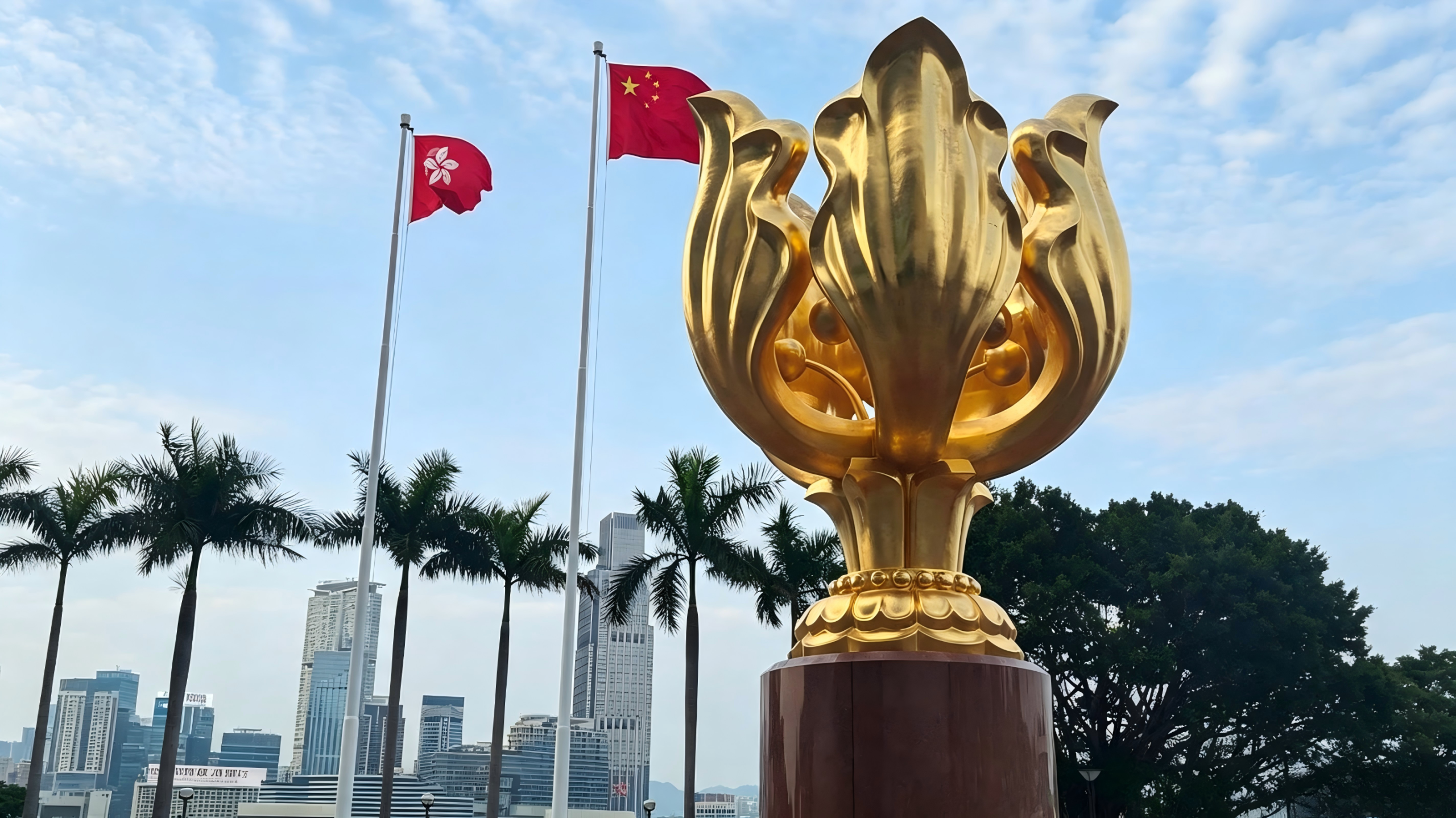
How Can Hong Kong and Macao Medical Devices Take the “Green Lane” into the Greater Bay Area? A Complete Guide to the GBA Connect Application Process
For Hong Kong and Macao medical devices that want to enter the Guangdong-Hong Kong-Macao Greater Bay Area market but have not yet been registered in the Mainland, the “Hong Kong and Macao Drug and Device Connect” (GBA Connect) scheme is an important compliant access channel. Based on the latest policy documents, EVERBIZ explains the legal…